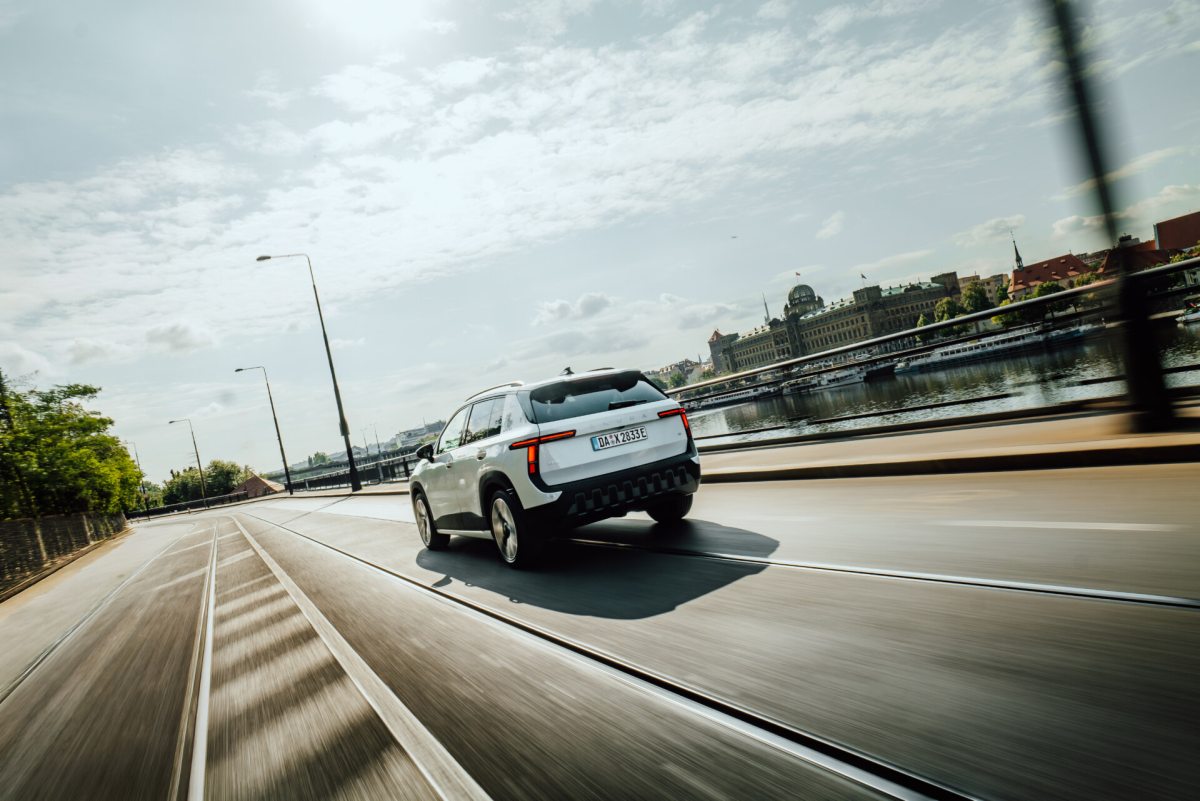
Autonomous Cars Are Coming. But First, We Need to Change the Way We Use Cars
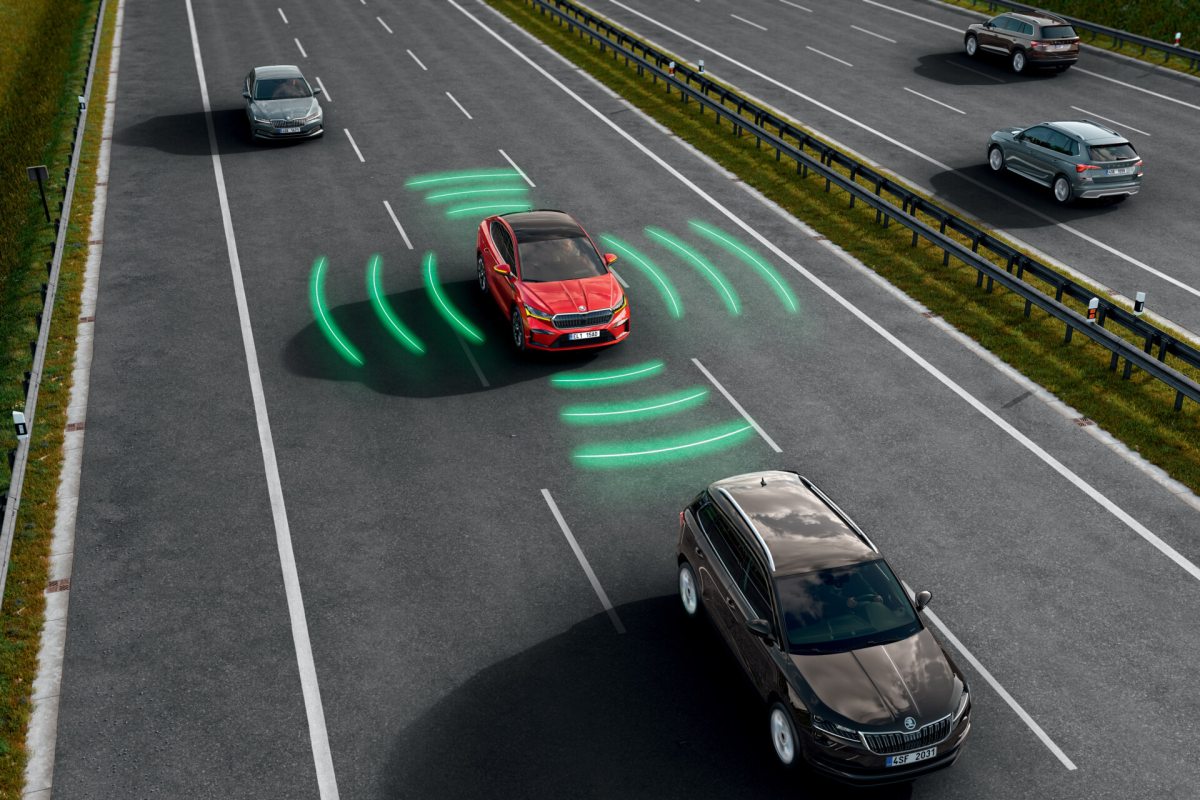
In 2026, the European Commission launched its ADACities initiative to accelerate autonomous mobility in European cities, including robotaxis, autonomous shuttles and autonomous car-sharing services.
But the biggest change brought by autonomous vehicles may not be the fact that the car can drive itself. It may be what happens when a car no longer needs to spend most of its time waiting for its owner.
From car ownership to car access
Today, a privately owned car is usually designed around one primary user. It takes you to work in the morning, waits eight hours in a company car park, takes you home in the afternoon and then spends most of the night sitting outside your house. Even many corporate vehicles follow a similar pattern: one employee, one car, one set of keys.
Autonomous driving could fundamentally change this model. If a vehicle can drive itself to another authorised user after completing a journey, the concept of a “personal car” starts to look very different. A single vehicle could potentially serve multiple people throughout the day - turning the car from a permanently assigned asset into a shared mobility resource.
Autonomous vehicles need digital infrastructure
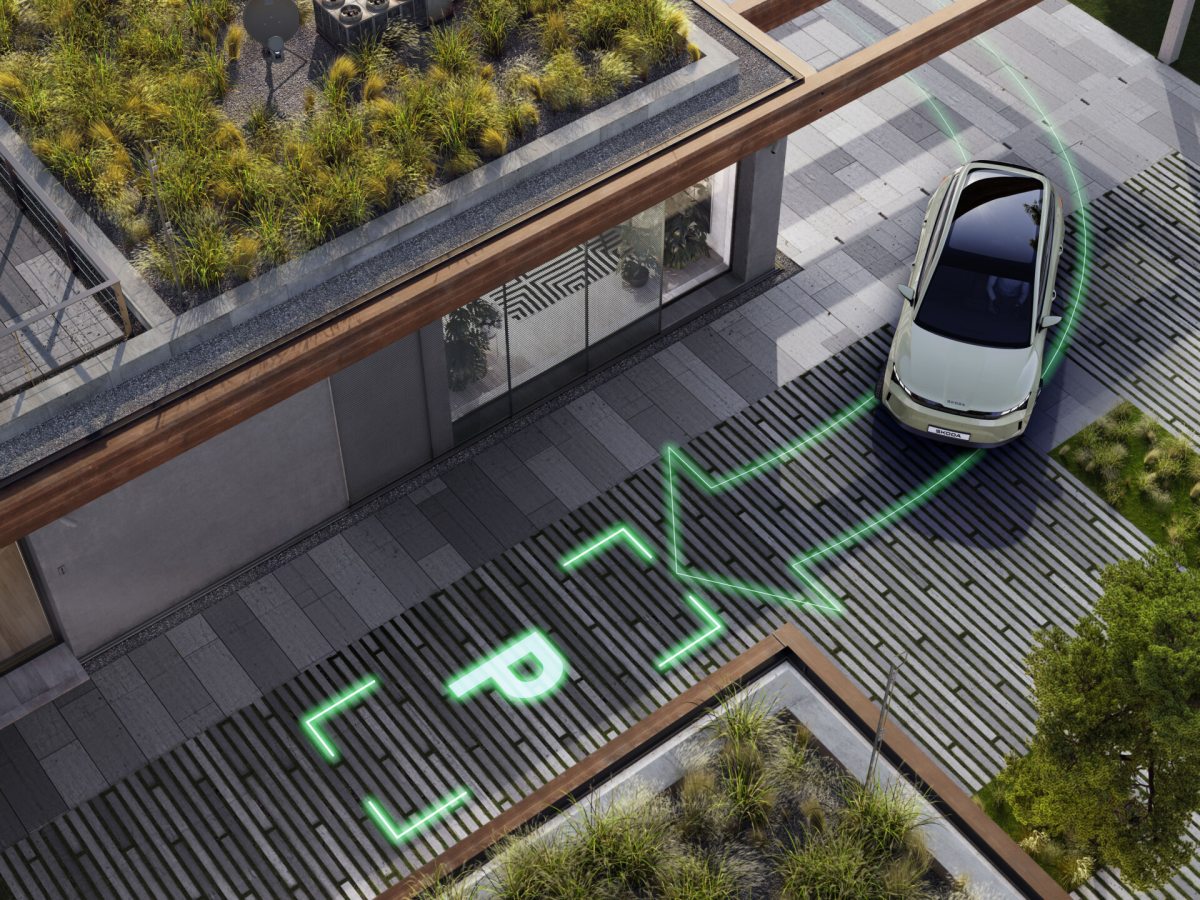
For this model to work, autonomous driving alone isn’t enough. A self-driving vehicle also needs to know where it should be, who is allowed to use it, when it is needed and what should happen between trips.
That requires a digital layer connecting vehicles, users, bookings, access and fleet data. The European Commission itself identifies digital platforms and shared mobility as important components of the transformation of transport, alongside autonomous vehicles, AI and connected technologies.
In other words, the autonomous vehicle of the future will not operate in isolation. It will be part of a connected mobility ecosystem.
This is where fleet management becomes more important - not less
It might seem that autonomous cars would make fleet management easier because there is no driver behind the wheel. In reality, the opposite may be true. Once vehicles can move independently, companies and mobility operators need even better visibility and control over where vehicles are, when they are available, who has booked them and how efficiently they are being used.
The key metric could increasingly become vehicle utilisation. Instead of asking how many cars a company owns, fleet managers may ask how much mobility each vehicle can provide during a typical day. The more effectively vehicles can be shared and scheduled, the fewer vehicles may be needed to provide the same level of mobility.
The technology may be autonomous, but the experience needs to be seamless
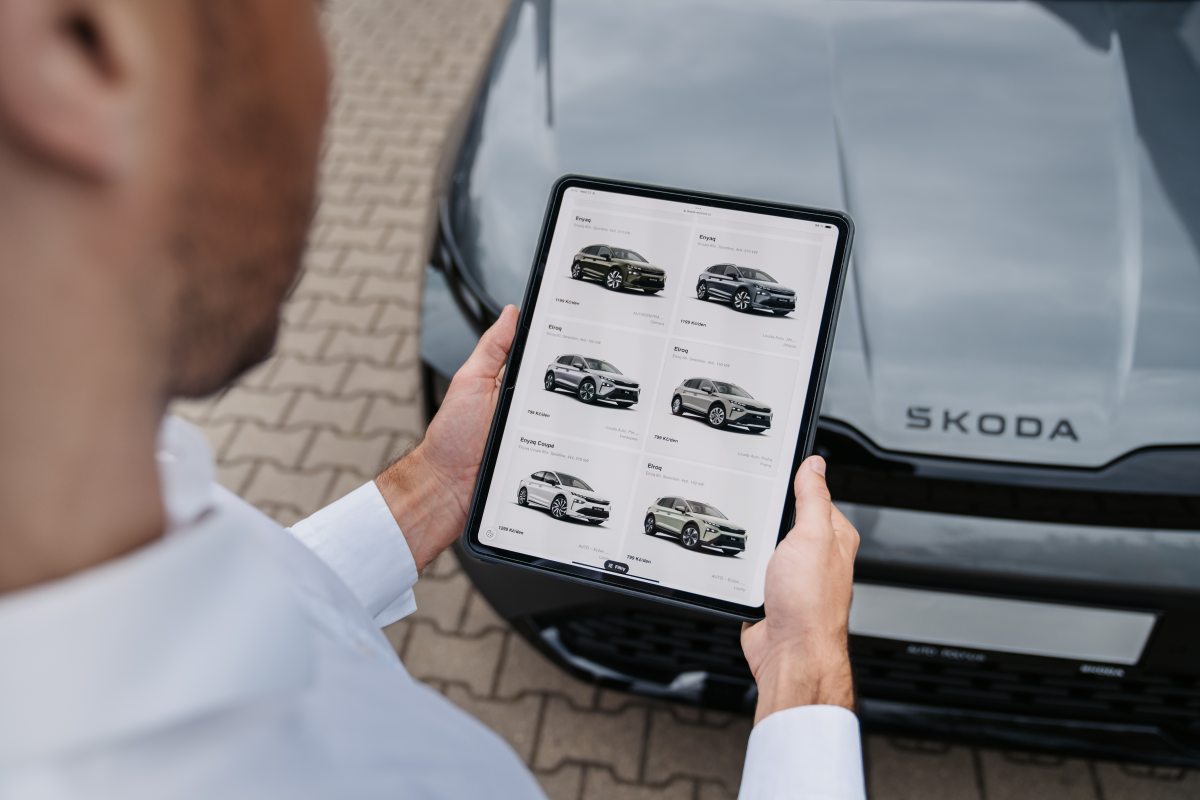
Imagine booking a vehicle through an app, walking outside, and having the car arrive exactly when you need it. After dropping you off, it could become available to another authorised user instead of sitting unused for the rest of the day.
This is the promise of combining autonomous driving with shared mobility and digital fleet management. The vehicle becomes less like a possession and more like an on-demand service.
Of course, fully autonomous fleets are not going to replace traditional company cars overnight. Regulation, technology, infrastructure and customer acceptance will all influence how quickly autonomous mobility develops. But the underlying model can already be built today.
The future of autonomous mobility starts with today’s shared fleets
Companies don’t have to wait for fully autonomous vehicles to start preparing for this future. The foundations are already familiar: digital reservations, shared vehicle pools, keyless or digital access, centralised fleet management and data-driven utilisation.
This is exactly the direction in which HoppyGo Mobility Platform is helping companies move today. By turning corporate vehicles into a digitally managed shared fleet, HoppyGo enables businesses to give multiple employees flexible access to vehicles while gaining better visibility into how their fleet is actually being used.
Autonomous vehicles may eventually change the way cars move. But before cars can truly drive themselves, we need to change the way we think about access, ownership and utilisation.
The future of mobility may not be about owning a car that drives itself. It may be about accessing a vehicle whenever you need one - whether there is a driver behind the wheel or not.